- Published on
The Game Design of Elden Ring: A Masterclass in Open World Exploration
- Authors

- Name
- Nassef Bouanane
- @NassefBouanane

The Game Design of Elden Ring: A Masterclass in Open World Exploration
Elden Ring, developed by FromSoftware, is a game that has redefined the boundaries of open-world design. With its sprawling landscapes, intricate dungeons, and a sense of mystery that permeates every corner, it stands as a testament to the studio's ambition and creativity. In this blog post, we'll delve into the game design of Elden Ring, exploring how it balances freedom, challenge, and discovery in a way that few other games have managed to achieve.
The World of The Lands Between
Elden Ring's world, known as The Lands Between, is a vast and varied continent that stretches from the deepest depths to the highest mountains. Unlike the interconnected but relatively small worlds of Dark Souls and Bloodborne, Elden Ring's open world is colossal. The game begins in Limgrave, a lush woodland region filled with ruins and underground caves. From there, players are free to explore Liurnia of the Lakes, Caelid, Altus Plateau, and Mt. Gelmir, each with its own unique atmosphere, challenges, and legacy dungeons.
Legacy Dungeons: A Nod to Dark Souls
One of the standout features of Elden Ring is its legacy dungeons. These are large, intricately designed areas that harken back to the level design of Dark Souls. Stormveil Castle, the first legacy dungeon, is a prime example. It’s a sprawling fortress filled with traps, enemies, and secrets, culminating in a boss fight with Godrick the Grafted. Each legacy dungeon is a self-contained challenge, offering a mix of exploration, combat, and puzzle-solving that feels distinctly Souls-like.
The Open World: Freedom and Exploration
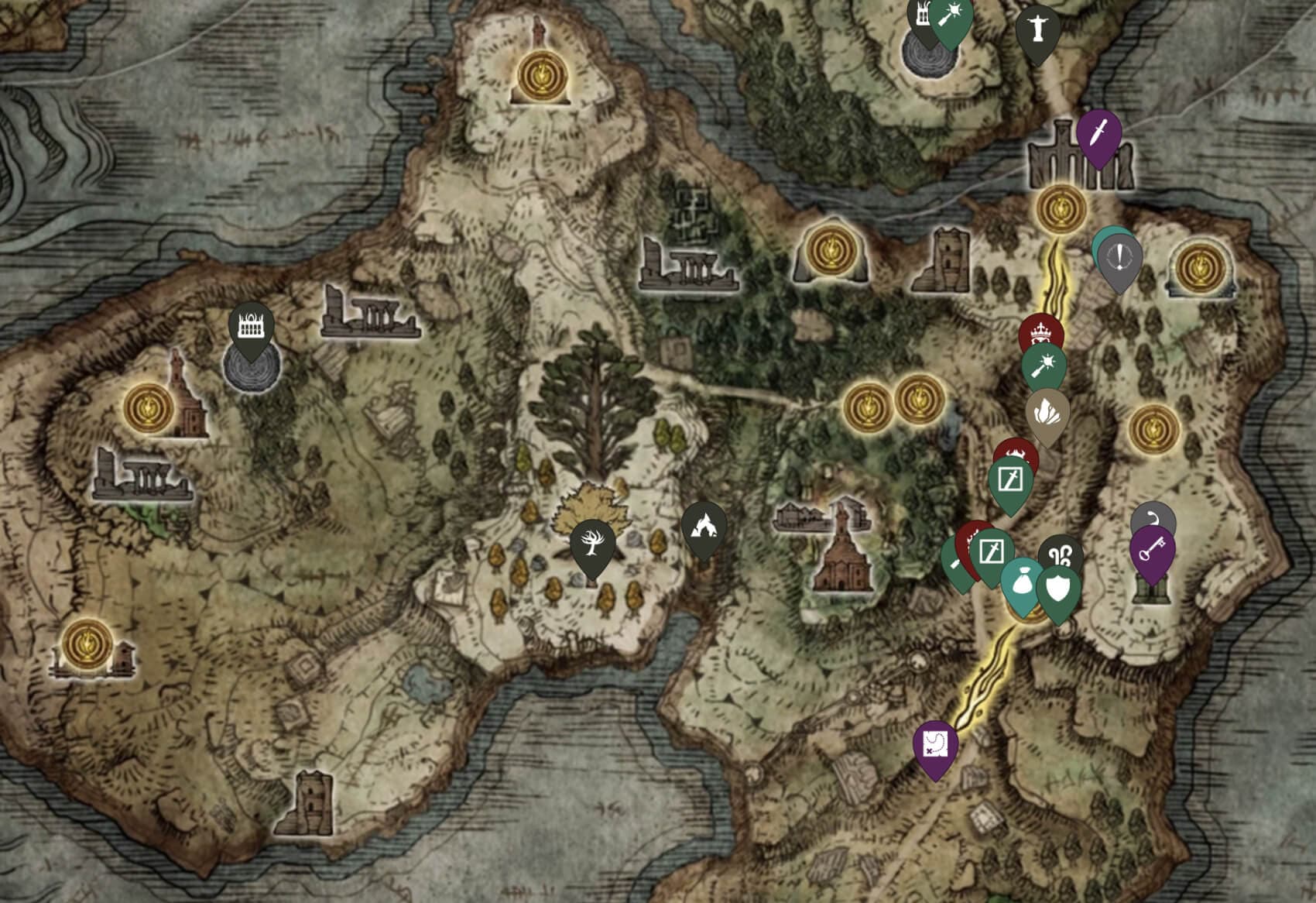 Elden Ring’s open world is designed to encourage exploration. Unlike many open-world games that bombard players with markers, quest logs, and checklists, Elden Ring takes a more hands-off approach. There are no question marks on the map, no towers to climb to reveal the surrounding area. Instead, players are encouraged to explore by following their curiosity. The game’s world is filled with landmarks that draw the eye, from towering castles to mysterious ruins, and it’s up to the player to decide where to go next.
This sense of freedom is further enhanced by the game’s non-linear structure. While there is a main path that leads to the Leyndell Royal Capital, players are free to tackle the game’s areas and bosses in any order they choose. For example, you can bypass Stormveil Castle entirely and head straight to Liurnia of the Lakes, or you can venture into the nightmare hellscape of Caelid early on if you’re feeling brave. This flexibility allows for a unique experience with each playthrough.
The Challenges of Open World Design
While Elden Ring’s open world is a triumph in many ways, it also presents some challenges. One of the most significant is the static difficulty level of each area. Unlike previous Souls games, where the player’s progression is more linear, Elden Ring’s open world means that players can stumble into high-level areas early on. This can lead to situations where players are either overwhelmed by powerful enemies or, conversely, over-leveled for certain bosses, which can diminish the sense of challenge and accomplishment.
Reused Content and Repetition
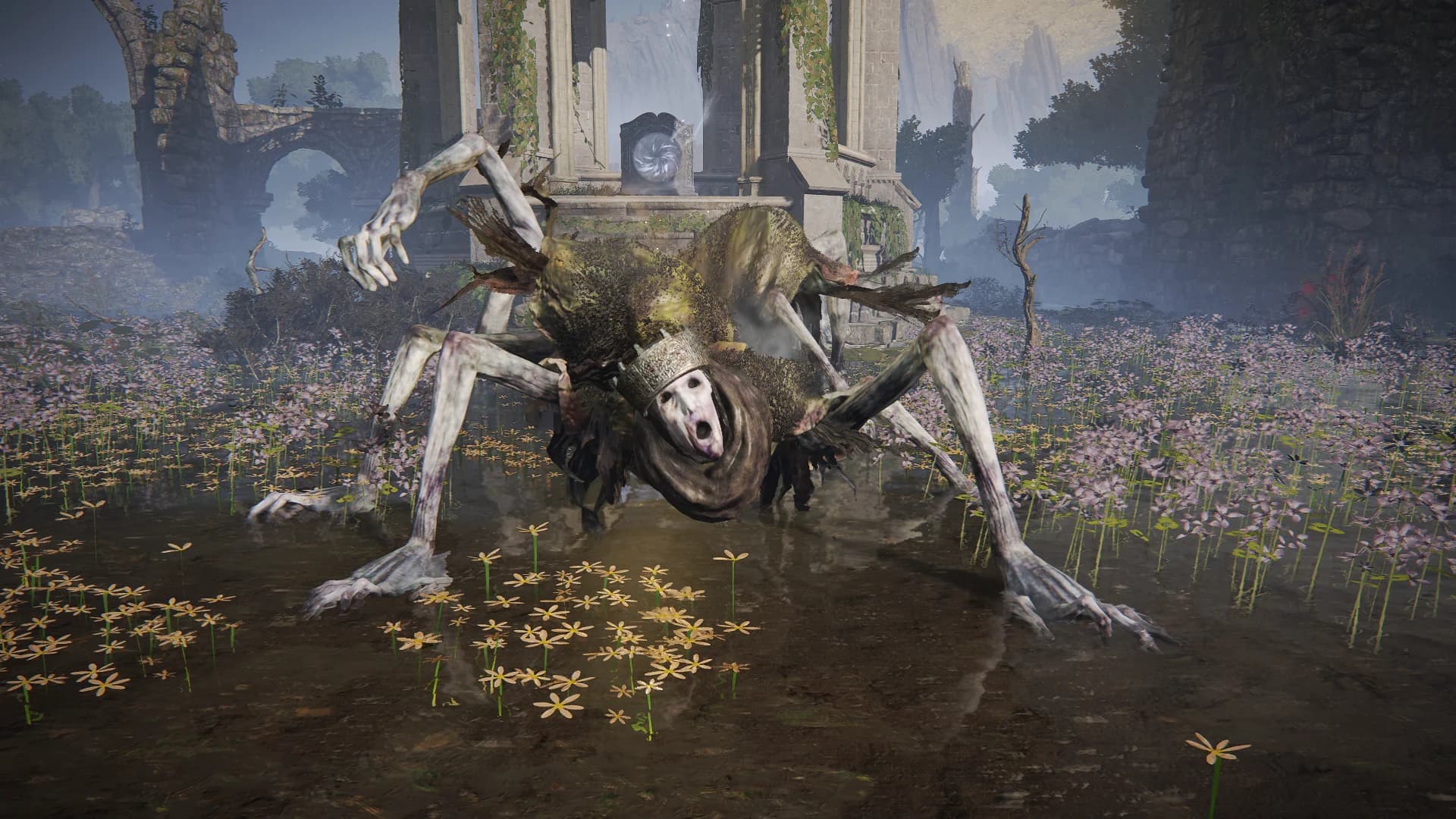 While this is somewhat inevitable in a game of this scale, it does detract from the sense of discovery that makes the early hours of the game so magical.
The Funnel Effect: From Open World to Linear Progression
Elden Ring’s structure can be described as a funnel. The first half of the game is a wide-open exploration of The Lands Between, with players free to tackle areas and bosses in any order they choose. However, once players reach the Mountaintops of the Giants, the game becomes much more linear. The open world gives way to a series of legacy dungeons and boss fights, culminating in the final showdown with Radagon and the Elden Beast.
This shift from open-world exploration to linear progression is a double-edged sword. On the one hand, it provides a satisfying conclusion to the game’s narrative. On the other, it can feel restrictive compared to the freedom of the early game. Some players may find the late-game areas less engaging, as there’s less to explore and fewer surprises to uncover.
Conclusion: A Bold Experiment in Open World Design
Elden Ring is a game that pushes the boundaries of what an open-world RPG can be. Its vast, interconnected world, filled with secrets, challenges, and surprises, is a testament to FromSoftware’s ambition and creativity. The game’s non-linear structure and hands-off approach to exploration create a sense of freedom and discovery that is unmatched in the genre.
However, the game is not without its flaws. The static difficulty levels, repetition of content, and the funnel-like structure of the late game can detract from the overall experience. Despite these issues, Elden Ring remains a landmark achievement in game design, offering a world that is as rewarding to explore as it is challenging to conquer.
In the end, Elden Ring is a game that invites players to forge their own path, to explore at their own pace, and to discover the secrets of The Lands Between on their own terms. It’s a bold experiment in open-world design, and one that will undoubtedly influence the genre for years to come.
If you enjoyed this analysis, be sure to check out our other posts on game design, including a deep dive into the world of The Legends of Zelda: BOTW and its iconic level design. Until next time, happy gaming!