- Published on
How Nintendo Balanced Freedom and Guidance in The Legend of Zelda: Breath of the Wild
- Authors

- Name
- Nassef Bouanane
- @NassefBouanane

How Nintendo Balanced Freedom and Guidance in The Legend of Zelda: Breath of the Wild
When Nintendo set out to create The Legend of Zelda: Breath of the Wild, they faced a monumental challenge: how to design an open world that felt truly free and explorable, while still subtly guiding players toward key story points. This balance between player freedom and narrative progression is one of the most difficult aspects of open-world game design, and Nintendo’s solution offers valuable lessons for game designers everywhere.
The Problem: Freedom vs. Guidance
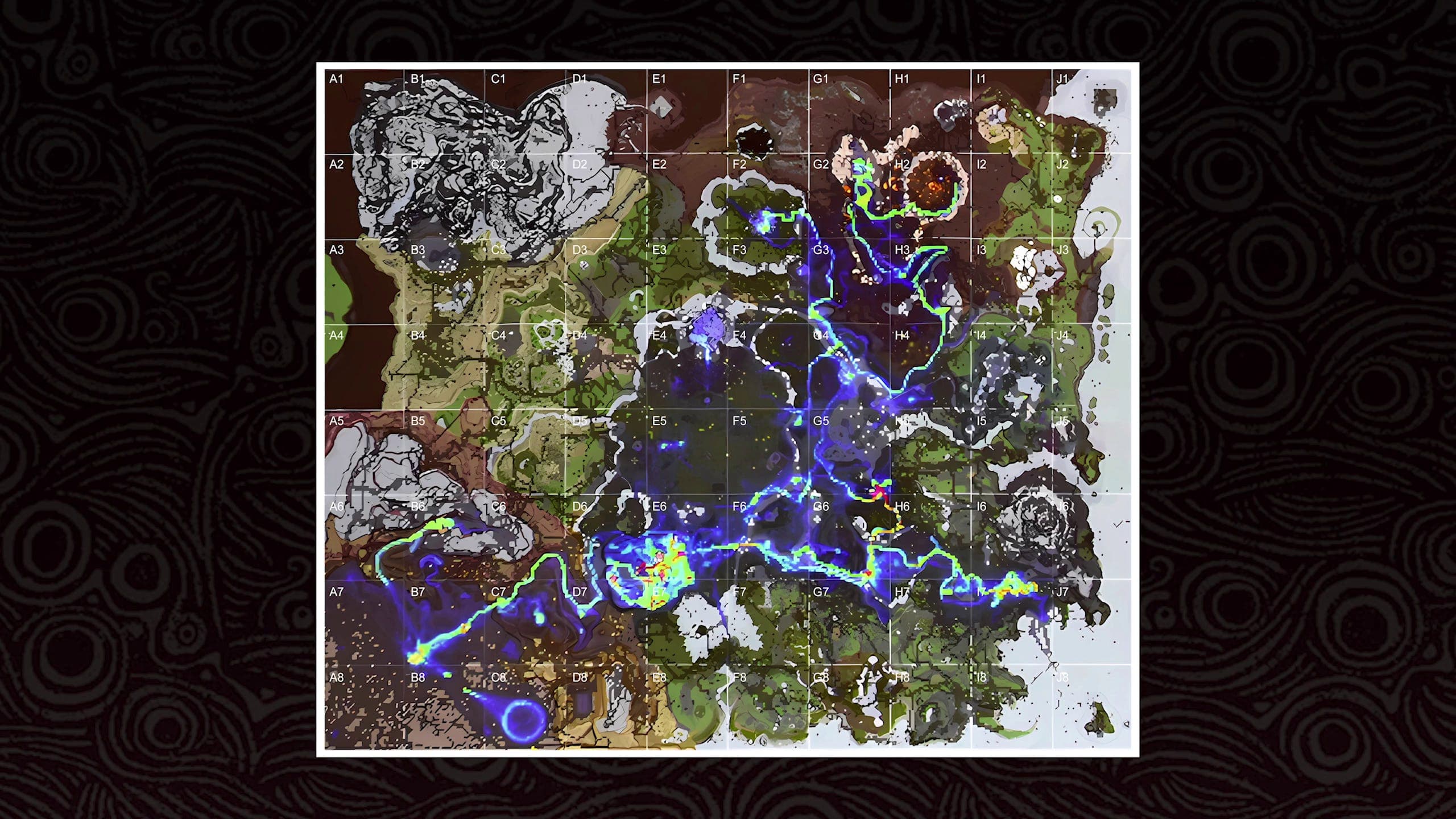 Nintendo wanted to recapture the sense of exploration and discovery that defined the original Legend of Zelda on the NES. At the same time, they needed to ensure players were making progress toward the overarching goal of saving Princess Zelda. Early in development, they experimented with a system of "points and lines."
The "points" were the Sheikah Towers—massive, glowing structures that revealed large portions of the map when activated. The "lines" were the roads and paths connecting these towers, along which Nintendo placed events like enemy camps, NPCs, and other points of interest.
On paper, this seemed like a solid solution. Players would naturally gravitate toward the towers, follow the roads, and encounter story-critical content along the way. But in practice, it fell flat.
Why the First Approach Failed
Playtesters felt trapped on a linear path, as if they were being forced to follow an invisible guide rope. Those who deviated from the prescribed routes often found themselves lost or encountering little of interest. Nintendo’s heatmaps of player movement revealed a stark divide: 80% of players dutifully followed the towers, while 20% wandered aimlessly. Neither group was experiencing the sense of organic exploration Nintendo had envisioned.
The Solution: A Breadcrumb Trail of Landmarks
 To make these landmarks attractive, Nintendo ensured each offered clear benefits:
- Shrines increased health or stamina.
- Enemy camps provided weapons and loot.
- Stables offered healing, shops, and NPCs with rumors and sidequests.
- Resource-rich areas became essential for gathering materials, as Nintendo removed easy healing items like hearts and made rupees scarce.
Making Landmarks Visible and Manageable
One of the challenges with smaller landmarks is making them stand out in a vast open world. Nintendo addressed this by giving each landmark a distinctive visual identity: shrines glowed, campfires emitted tall plumes of smoke, enemy bases were built around massive skull-shaped rocks, and stables were marked by giant wooden horse statues.
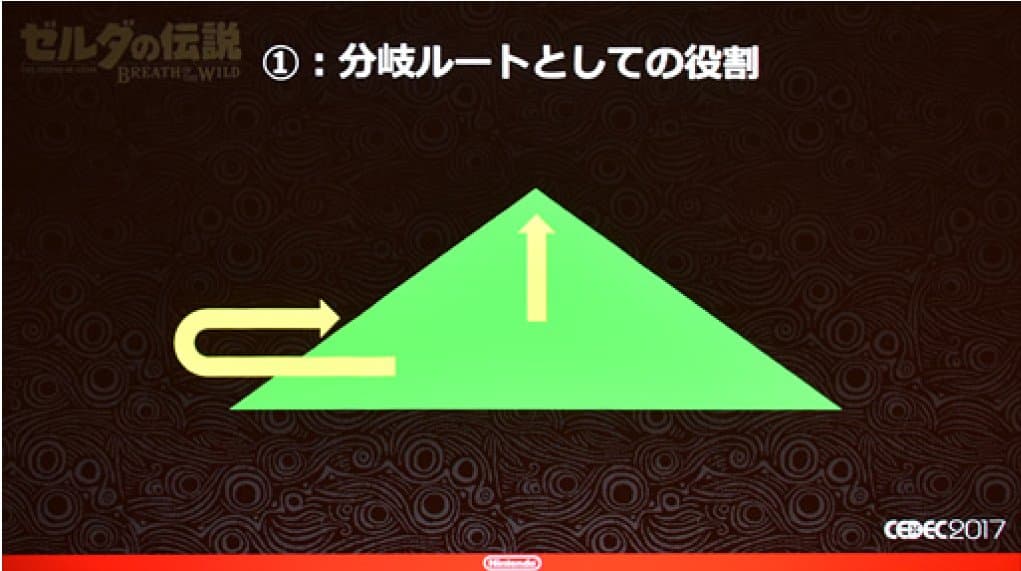 The triangle rule also serves another purpose: it blocks the player’s view of what lies beyond. This prevents players from feeling overwhelmed by too many options at once. As players move toward a landmark, new areas and points of interest are gradually revealed, creating a constant sense of discovery and curiosity.
The Result: Organic Exploration with Purpose
This system creates a chain reaction of exploration. Players might set out toward one landmark, only to be distracted by two or three new discoveries along the way. This creates an addictive loop of "ooh, what’s that?" moments, where players are constantly drawn to new locations.
Crucially, this approach feels entirely player-driven. Players choose where to go based on their curiosity, needs, or mood. If they’re low on health, they might seek out a stable. If they need weapons, they’ll head toward an enemy camp. Over time, this breadcrumb trail of landmarks naturally leads players to key story locations—without ever feeling forced.
Lessons for Game Designers
Nintendo’s solution to the freedom-vs-guidance problem offers several key takeaways for game designers:
- Diversify Points of Interest: A variety of landmarks with clear benefits ensures players always have something to pursue.
- Make Landmarks Visible: Distinctive visuals and strategic placement help players spot points of interest from a distance.
- Use Terrain to Guide and Reveal: Triangular landscapes naturally draw the player’s eye and prevent overwhelming them with too many options.
- Create a Chain Reaction of Discovery: Gradually revealing new areas as players explore keeps the experience fresh and engaging.
Conclusion
Breath of the Wild is a masterclass in open-world design, demonstrating how to balance player freedom with subtle guidance. By scattering the world with enticing landmarks and using clever terrain design, Nintendo created a game where exploration feels both organic and purposeful. This approach has since influenced other open-world games, like Elden Ring, and will likely shape the design of Tears of the Kingdom as well.